

การคิดวิเคราะห์และการแก้ปัญหาเป็นทักษะที่สำคัญในที่ทำงาน แต่หลายคนอาจสับสนระหว่างทั้งสองสิ่งนี้ การคิดวิเคราะห์คือการประเมินข้อมูลและสถานการณ์อย่างมีเ…
เที่ยวไทยปลอดภัยกับลูกหมู ทราเวล สบายใจทุกทริป
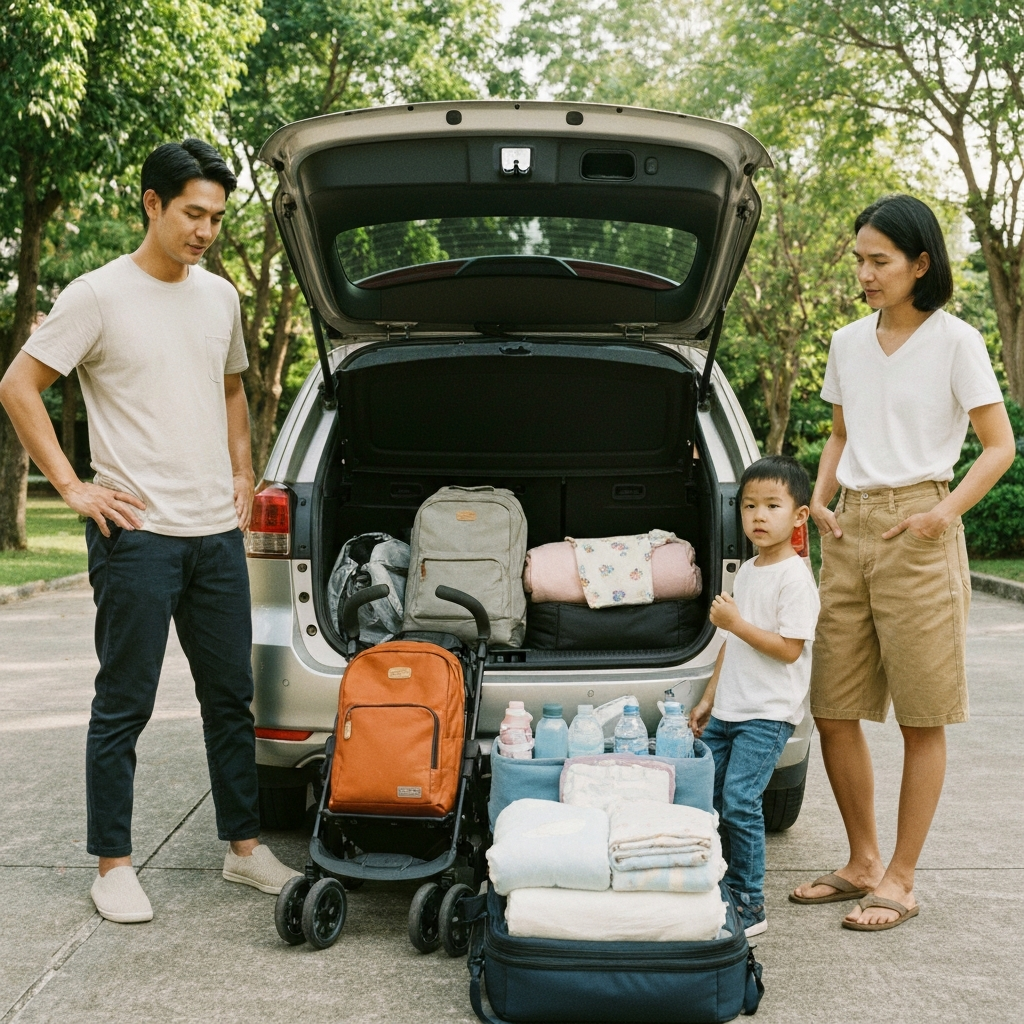
เที่ยวไทยกับลูกหมู ทราเวล แบบสบายใจ ปลอดภัยทุกทริป ทำความรู้จักบริการท่องเที่ยวที่ใส่ใจความปลอดภัย การวางแผนเที่ยวในประเทศให้สนุกและปลอดภัยควรเริ่มจากการเลือกผู้ให้บริการที่น่าเชื่อถืออย่าง บริษัท ลูกหมู ทราเวล จำกัด ที่เน้นเรื่องความปลอดภัยของผู้เดินทาง พร้อมกับการจัดการทริปที่ราบรื่นและตอบโจทย์ทุกความต้องการของครอบครัว โดยเฉพาะเมื่อต้องเดินทางกับเด็กหรือกลุ่มที่ต้องการความดูแลเป็นพิเศษ ขั้นตอนเตรียมตัวก่อนออกเดินทางกับลูกหมู ทราเวล การเตรียมความพร้อมสำหรับทริปจะช่วยให้การเดินทางของเราราบรื่นมากขึ้น โดยสามารถแบ่งเป็นขั้นตอนดังนี้ เคล็ดลับเลือกที่พักและรถรับส่งอย่างปลอดภัย การเลือกที่พักและบริการรถรับส่งมีผลโดยตรงกับความสบายใจของทุกคนในทริป โดยควรพิจารณาประเด็นเหล่านี้ ทำความเข้าใจมาตรฐานความปลอดภัยจากบริษัทท่องเที่ยว บริษัททัวร์ที่มีความน่าเชื่อถือจะมีการประเมินและจัดการความเสี่ยงในทุกขั้นตอนของทริป โดยเฉพาะเมื่อดูแลกลุ่มเด็กและครอบครัว ตัวอย่างบริการที่ตอบโจทย์ในการเลือกใช้ บริษัท ลูกหมู ทราเวล จำกัด สำหรับผู้ที่ต้องการความมั่นใจในการเดินทางกับครอบครัว ทางบริษัทมีบริการครบวงจรตั้งแต่การวางแผนเส้นทางถึงการดูแลลูกค้าในทุกรายละเอียด พร้อมตัวเลือกที่พักและรถรับส่งที่เน้นความปลอดภัยสูงสุด บริการบริษัท ลูกหมู ทราเวล จำกัดจึงเหมาะกับทุกคนที่อยากเที่ยวไทยแบบไม่ต้องกังวลเรื่องความปลอดภัยและต้องการใช้เวลาร่วมกันอย่างเต็มที่ในทุกทริป
4 วิธีการอ่านราคา XAUUSD คัมภีร์วิเคราะห์ทองคำฉบับมืออาชีพ

ในโลกของการลงทุนที่หมุนไวอย่างรวดเร็วในปี 2026 นี้ การเข้าใจกลไกของราคาเป็นทักษะสำคัญที่แยกนักลงทุนมือสมัครเล่นออกจากมืออาชีพ โดยเฉพาะในตลาดซื้อขายทองคำสากลที่เชื่อมโยงกับค่าเงินดอลลาร์สหรัฐ หลายคนอาจจะเคยเห็นรหัสตัวอักษรบนหน้าจอกระดานเทรดแต่ยังไม่เข้าใจความหมายที่แท้จริง ซึ่งคำตอบของ XAUUSD คือ การจับคู่กันระหว่าง “ทองคำ” (XAU) และ “ดอลลาร์สหรัฐ” (USD) โดยมีราคาที่แสดงผลเป็นจำนวนดอลลาร์ต่อทองคำ 1 ออนซ์ การที่คุณจะทำกำไรจากสินทรัพย์ชนิดนี้ได้นั้น ไม่ใช่เพียงแค่การคาดเดาว่าราคาจะขึ้นหรือลงตามความรู้สึก แต่ต้องอาศัย “วิธีการอ่านราคา” ที่เป็นระบบและมีหลักการ บทความนี้จะพาทุกท่านไปทำความรู้จักกับ “4 วิธีการอ่านและวิเคราะห์ราคา XAUUSD ” ที่จะช่วยให้คุณก้าวเข้าสู่สนามการเทรดได้อย่างมั่นใจครับ 4 วิธีการอ่านราคา XAUUSD ที่สามารถทำตามได้ง่ายๆ 1. การอ่านโครงสร้างราคาผ่าน “แนวรับและแนวต้าน” (Support & Resistance) พื้นฐานแรกที่สำคัญที่สุดในการทำความเข้าใจว่า XAUUSD คือ อะไรในเชิงพฤติกรรมราคา คือการเรียนรู้เรื่องแนวรับและแนวต้าน ซึ่งเปรียบเสมือนพื้นและเพดานของราคาในแต่ละช่วงเวลา การอ่านราคาในลักษณะนี้จะช่วยให้คุณเห็นกรอบการเคลื่อนที่ของทองคำ หากราคาพุ่งทะลุแนวต้าน (Breakout) มักจะเป็นสัญญาณว่าราคาจะไปต่อ แต่ถ้าชนแล้วไม่ผ่าน ก็มีโอกาสที่ราคาจะปรับฐานลงมา การมองหาจุดเหล่านี้ในกราฟจะทำให้คุณวางแผนการเข้าซื้อขายได้อย่างมีประสิทธิภาพ 2. การวิเคราะห์ด้วย “Price […]
เพิ่มประสิทธิภาพการใช้งานอย่างมืออาชีพ ด้วยบริการรับออกแบบออฟฟิศ
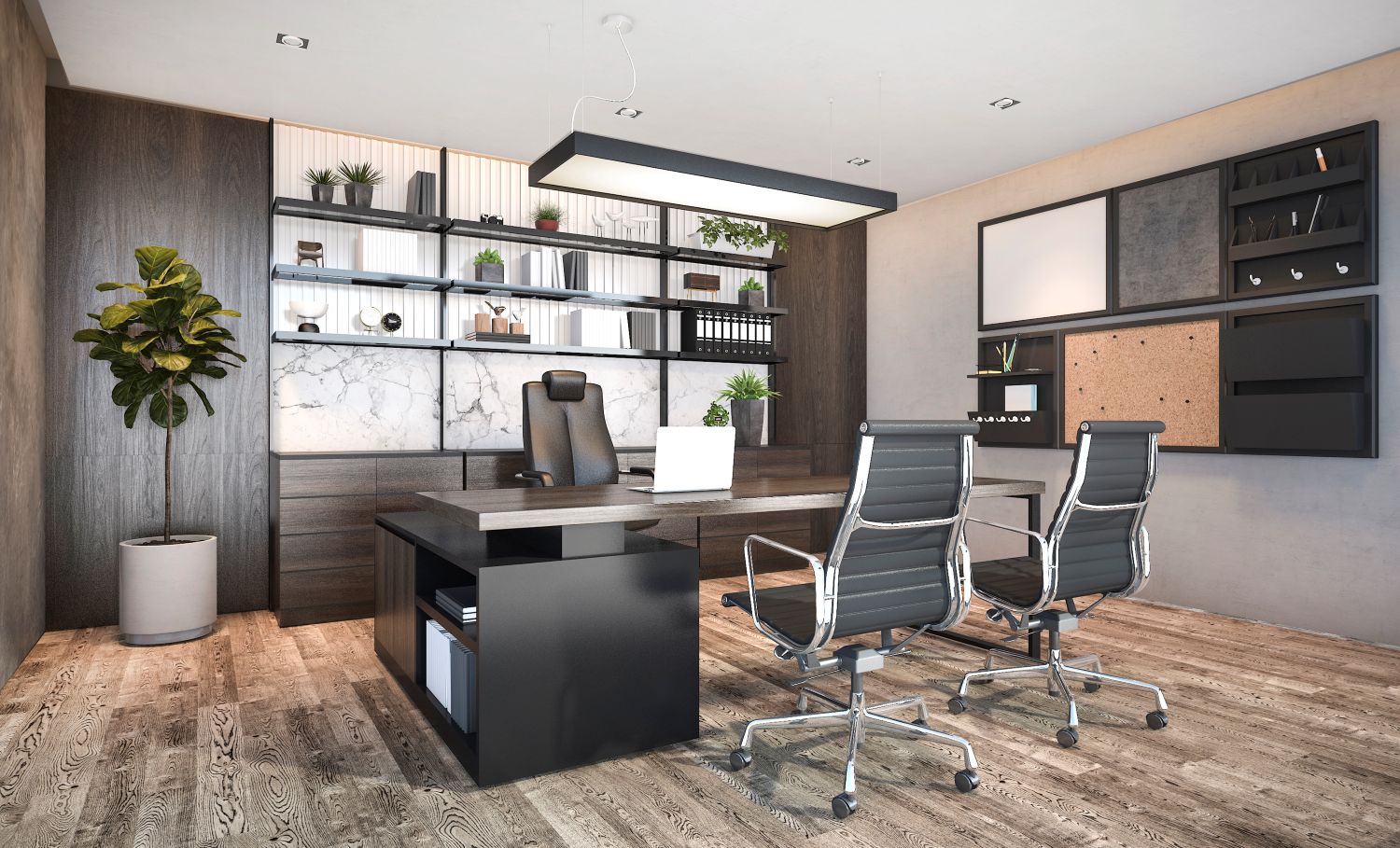
ในยุคที่ธุรกิจเริ่มต้นขนาดเล็กกลายเป็นแรงขับเคลื่อนสำคัญของเศรษฐกิจ หลายคนจึงต้องการสร้างสำนักงานที่ตอบโจทย์ใช้งานได้เต็มศักยภาพ โดยเฉพาะสำหรับผู้เริ่มต้นที่อาจยังไม่คุ้นเคยกับการวางแผนพื้นที่ทำงาน การรับออกแบบออฟฟิศจึงไม่ใช่แค่การตกแต่งเพื่อความสวยงามเท่านั้น แต่ยังเป็นกุญแจสำคัญที่จะช่วยเพิ่มประสิทธิภาพการทำงานและยกระดับภาพลักษณ์องค์กรไปพร้อมกัน เข้าใจหลักการวางแผนพื้นที่เพื่อรองรับการเติบโต เปรียบเสมือนการปลูกต้นไม้ที่ต้องมีรากฐานมั่นคง การออกแบบออฟฟิศต้องเริ่มจากการวางแผนพื้นที่ที่เหมาะสมกับลักษณะงานและจำนวนบุคลากร ซึ่งช่วยสร้างสภาพแวดล้อมที่ผ่อนคลายและกระตุ้นการทำงานอย่างมีประสิทธิผล เคล็ดลับสำคัญสำหรับมือใหม่คือการประเมินฟังก์ชันหลักที่ต้องการ เช่น พื้นที่ทำงานส่วนตัว พื้นที่ประชุม และพื้นที่พักผ่อนอย่างพอเหมาะ ไม่ควรใช้พื้นที่เกินความจำเป็นโดยเฉพาะในสำนักงานเล็กๆ ที่ต้องการความคล่องตัวสูง จัดสรรพื้นที่ให้เกิดประโยชน์สูงสุด ด้วยแนวคิดการใช้งานแบบยืดหยุ่น สำนักงานขนาดเล็กอาจเหมือนกับบ้านที่ต้องมีห้องแต่ละห้องทำงานได้หลายหน้าที่ การบรรจุฟังก์ชันหลายรูปแบบในพื้นที่จำกัด ให้ประสบความสำเร็จต้องอาศัยการออกแบบด้วยหลักการใช้งานแบบยืดหยุ่น ซึ่งเหมาะสมอย่างยิ่งกับคนที่ยังอยู่ในขั้นเริ่มต้น แสงและสี คืออาวุธลับในการเพิ่มประสิทธิภาพการทำงาน เรื่องของแสงธรรมชาติและโทนสีในสำนักงานอาจเป็นหัวข้อที่มองข้ามได้ง่าย แต่ความจริงแล้วเป็นตัวช่วยสำคัญที่ทำให้พื้นที่ทำงานขนาดเล็กมีความโปร่ง สบาย และกระตุ้นสมองได้อย่างดี การเลือกใช้สีโทนอ่อน เช่น สีขาว ครีม หรือสีเอิร์ธโทน จะช่วยสะท้อนแสงและทำให้พื้นที่ดูกว้างขึ้นเหมือนกับการขยายความรู้สึกของห้อง การจัดวางแสงประดิษฐ์ให้เหมาะสม เน้นแสงนวลและสมดุล จะลดความเหนื่อยล้าของสายตาและช่วยเพิ่มสมาธิในงานที่ต้องใช้ความละเอียด เทคโนโลยีและอุปกรณ์อัจฉริยะเสริมประสิทธิภาพการทำงาน ในปัจจุบันสำนักงานขนาดเล็กสามารถเพิ่มประสิทธิภาพได้อย่างมีนัยสำคัญด้วยการเลือกใช้อุปกรณ์และระบบอัจฉริยะที่เหมาะสม ไม่ว่าจะเป็นการติดตั้งระบบจัดการเอกสารดิจิทัล หรือการใช้ระบบแสงไฟอัตโนมัติที่ปรับตามเวลาของวัน ประโยชน์ของการผสานเทคโนโลยีทันสมัยในสำนักงาน ไม่เพียงแค่เพิ่มความสะดวกสบาย ยังช่วยลดเวลาที่ใช้ในการจัดการงานซ้ำซ้อน และส่งเสริมให้ทีมงานโฟกัสกับงานที่สร้างสรรค์มากขึ้น ตัวอย่างวิธีการใช้เทคโนโลยีในสำนักงานขนาดเล็ก สร้างบรรยากาศที่ส่งเสริมสุขภาพกายและความคิดสร้างสรรค์ สำนักงานขนาดเล็กที่ออกแบบมาอย่างชาญฉลาดสามารถกลายเป็นพื้นที่ที่เติมพลังให้กับคนทำงานได้มากกว่าที่คิด เน้นการจัดพื้นที่ให้มีการระบายอากาศที่ดี และเลือกใช้อุปกรณ์ที่ส่งเสริมสุขภาพ เช่น โต๊ะที่ปรับระดับได้สำหรับยืนทำงาน ช่วยลดความเมื่อยล้าและเพิ่มประสิทธิภาพการทำงานในระยะยาว นอกจากนี้ การจัดวางต้นไม้ประดับหรือใช้วัสดุธรรมชาติในตกแต่ง […]
หมวกคลุมผมโรงแรม เปลี่ยนเกมอาบน้ำสุดล้ำ
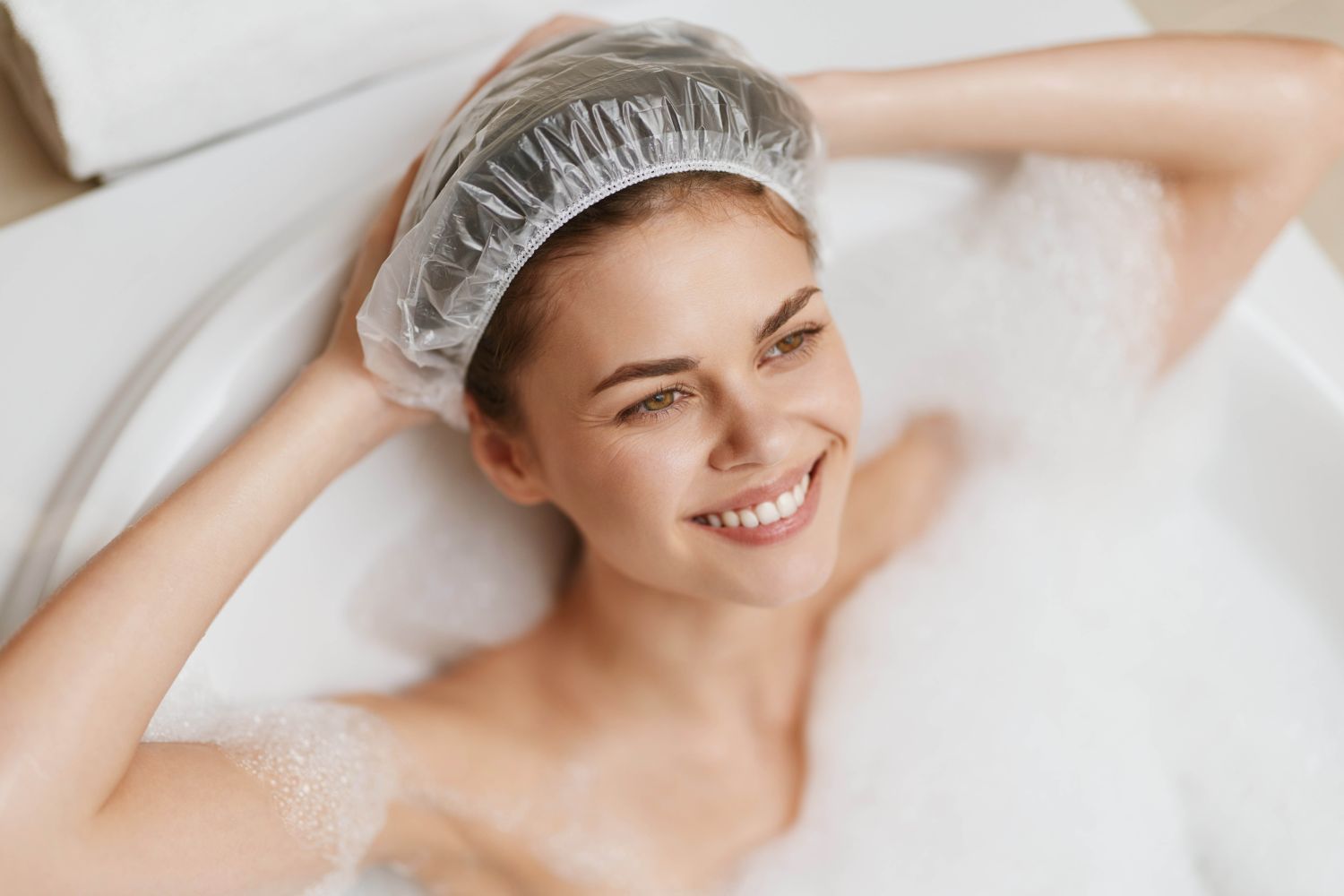
การอาบน้ำในโรงแรมควรเป็นช่วงเวลาที่ผ่อนคลายและหรูหรา แต่หลายครั้งที่ผมเปียกชุ่มทำให้ทุกอย่างพังทลาย โดยเฉพาะผู้หญิงที่มีผมยาวหรือเส้นผมที่ใช้เวลาจัดทรงนานหมวกคลุมผมอาบน้ำโรงแรม กลายเป็นไอเท็มลับที่หลายคนมองข้าม แต่กลับเปลี่ยนเกมการอาบน้ำให้กลายเป็นประสบการณ์สุดล้ำ ลองนึกภาพคุณอาบน้ำนานแค่ไหนก็ได้โดยไม่ต้องกังวลเรื่องผมชุ่มน้ำหรือต้องเป่าผมใหม่ทั้งหมดบทความนี้จะพาคุณเจาะลึกทุกมุมของ หมวกคลุมผมอาบน้ำโรงแรมว่าทำไมมันถึงกลายเป็นตัวเปลี่ยนเกมที่แท้จริง ไม่ว่าจะเป็นสำหรับแขกโรงแรมหรือเจ้าของธุรกิจที่อยากยกระดับบริการ หมวกคลุมผมโรงแรมคืออะไรและทำไมถึงพิเศษขนาดนี้ หมวกคลุมผมโรงแรมไม่ใช่แค่ถุงพลาสติกบางๆ ที่เราคุ้นเคยอีกต่อไป ในยุคนี้มันถูกพัฒนาให้เป็นผลิตภัณฑ์ทันสมัย ใช้วัสดุกันน้ำ 100% เช่น ซิลิโคนยืดหยุ่นหรือผ้าพรีเมียมเคลือบไนลอน ปกป้องเส้นผมจากละอองน้ำและไอน้ำร้อนได้อย่างสมบูรณ์แบบความพิเศษอยู่ที่การออกแบบที่ปรับขนาดได้ตามรูปทรงศีรษะ ทำให้สวมใส่สบาย ไม่หลุดง่าย บางรุ่นยังมีขอบยางซิลิโคนเกาะแน่นกับผิวหนังโดยไม่กดทับสิ่งที่ทำให้แตกต่างจากหมวกคลุมผมทั่วไปคือความทนทานและความหรูหรา โรงแรมชั้นนำหลายแห่งเลือกใช้รุ่นบางเบาแต่แข็งแรง ยืดได้ 30–40 ซม. รองรับผมยาวหรือมวยผมหนาๆนอกจากนี้ยังมีรุ่นเพิ่มคุณสมบัติพิเศษ เช่น กันลื่น กัน UV หรือมีกลิ่นหอมอ่อนๆ จากน้ำมันหอมระเหยธรรมชาติ ทำให้การอาบน้ำกลายเป็นสปาส่วนตัว ช่วยยกระดับประสบการณ์แขกให้เหมือนอยู่รีสอร์ทหรู แม้โรงแรมราคาปานกลาง ประโยชน์ที่ทำให้การอาบน้ำในโรงแรมสนุกยิ่งขึ้น หนึ่งในประโยชน์หลักของ หมวกคลุมผมอาบน้ำโรงแรมคือการประหยัดเวลาและพลังงานหลังอาบน้ำแขกโรงแรมไม่ต้องเสียเวลารอผมแห้ง โดยเฉพาะเช็คเอาท์เช้าหรือมีนัดสำคัญหมวกช่วยให้ผมแห้งสนิทภายใน 10–15 นาที แทนที่จะใช้เวลานานลดความชื้นสะสมที่อาจนำไปสู่ผมเสียหรือรังแคสำหรับผู้ที่มีผมย้อมหรือเคลือบสารบำรุง หมวกช่วยยืดอายุสีผมและทรงผมให้นานขึ้น ป้องกันสารเคมีจากน้ำประปานอกจากนี้ยังเป็นมิตรกับสิ่งแวดล้อม รุ่นใหม่ผลิตจากวัสดุย่อยสลายได้ทางชีวภาพ ลดขยะพลาสติกจากถุงคลุมผมแบบใช้ครั้งเดียวประโยชน์เด่น: ประเภทของหมวกคลุมผมโรงแรมที่ตอบโจทย์ทุกไลฟ์สไตล์ รุ่นคลาสสิกแบบยืดหยุ่น รุ่นซิลิโคนพรีเมียม รุ่นรักษ์โลกและพิเศษ คำแนะนำการเลือก: วิธีเลือกและใช้งานหมวกคลุมผมโรงแรมให้ได้ผลลัพธ์ดีที่สุด การใช้งาน: เคล็ดลับ: ตัวอย่างโรงแรมที่ประสบความสำเร็จจากหมวกคลุมผมสุดล้ำ การลงทุนเล็กๆ […]
บ้านแมวนอกบ้าน: ที่หลบภัยและสวรรค์สำหรับเพื่อนขนฟู

การมีบ้านแมวนอกบ้านไม่เพียงแต่ช่วยให้แมวของคุณมีที่ปลอดภัยและสบาย แต่ยังช่วยลดความเครียดของสัตว์เลี้ยงและลดความวุ่นวายภายในบ้านอีกด้วย การออกแบบบ้านแมวให้น่าสนใจและปลอดภัยเป็นเรื่องสำคัญมาก โดยเฉพาะสำหรับผู้ที่เลี้ยงแมวหลายตัวหรือแมวที่ชอบออกไปเล่นข้างนอก ทำไมต้องมีบ้านแมวนอกบ้าน การสร้างบ้านแมวภายนอกบ้านมีข้อดีหลายประการ: สิ่งที่ควรคำนึงถึงก่อนสร้างบ้านแมว การออกแบบบ้านแมวนอกบ้านให้แมวชอบ การทำให้แมวรู้สึกอยากเข้าใช้บ้านเป็นเรื่องสำคัญ การออกแบบสามารถใช้ไอเดียเหล่านี้: เคล็ดลับดูแลบ้านแมวนอกบ้าน สร้างบ้านแมวนอกบ้านให้สวยและเข้ากับสวน นอกจากความปลอดภัยและสะดวกสบายแล้ว การตกแต่งบ้านแมวให้เข้ากับสวนก็สำคัญ: บ้านแมวแบบ DIY สำหรับผู้ที่ชอบทำเอง การสร้างบ้านแมว DIY มีข้อดีคือประหยัดและสามารถปรับแต่งได้ตามต้องการ: ซื้อบ้านแมวนอกบ้านสำเร็จรูป ถ้าไม่มีเวลา DIY บ้านแมวสำเร็จรูปก็เป็นตัวเลือกที่ดี: สรุป การสร้างบ้านแมวนอกบ้านเป็นการลงทุนเพื่อความสุขและความปลอดภัยของแมว อีกทั้งยังช่วยให้เจ้าของบ้านสบายใจและบ้านภายในสะอาดยิ่งขึ้น ไม่ว่าจะเป็นบ้านแมว DIY หรือสำเร็จรูป การวางแผนที่ดีและเลือกวัสดุคุณภาพสูงจะทำให้บ้านแมวอยู่ได้นานและใช้งานได้เต็มที่ สร้างบ้านแมวในพื้นที่นอกบ้านให้แมวของคุณมีสวรรค์ส่วนตัว พร้อมทั้งเพิ่มความสุขและรอยยิ้มให้ครอบครัวทุกวัน
จุดแข็งและข้อควรระวังของ Copy Trading

ในโลกการเงินที่เทคโนโลยีเข้ามามีบทบาทมากขึ้นทุกวัน การลงทุนไม่ได้ถูกจำกัดอยู่แค่ในวงของนักลงทุนมืออาชีพที่มีประสบการณ์ยาวนานอีกต่อไป แพลตฟอร์มการลงทุนต่างๆ ได้พัฒนาเครื่องมือที่ช่วยให้การลงทุนเป็นเรื่องง่ายและเข้าถึงได้สำหรับทุกคน และหนึ่งในเครื่องมือที่ได้รับความนิยมอย่างมากในปัจจุบันคือ Copy Trading ซึ่งเป็นการเปิดโอกาสให้นักลงทุนสามารถทำตามการซื้อขายของมืออาชีพได้โดยอัตโนมัติ ทำให้การลงทุนเป็นเรื่องที่สะดวกสบายและมีโอกาสประสบความสำเร็จมากขึ้น บทความนี้จะเจาะลึกถึง “จุดแข็งที่ทำให้ Copy Trading เป็นที่สนใจของนักลงทุน” พร้อมกับชี้ให้เห็นถึงข้อควรระวังที่สำคัญ เพื่อให้คุณสามารถใช้กลยุทธ์นี้ได้อย่างชาญฉลาดและปลอดภัยกันครับ จุดแข็งของ Copy Trading ทำไมนักลงทุนถึงเลือกใช้ เพราะ Copy Trading มีจุดแข็งหลายประการที่เข้ามาตอบโจทย์ความต้องการของนักลงทุน โดยเฉพาะผู้ที่ไม่มีเวลาหรือประสบการณ์ในการวิเคราะห์ตลาดด้วยตนเอง ซึ่งสามารถอธิบายเป็นข้อๆ ได้แก่… ● มีความสะดวกและประหยัดเวลา: นี่คือ จุดแข็งที่ชัดเจนที่สุดของ Copy Trading นักลงทุนไม่จำเป็นต้องเสียเวลาหลายชั่วโมงในการวิเคราะห์กราฟ, ติดตามข่าวสาร, หรือเฝ้าหน้าจอ เพราะระบบจะทำการคัดลอกคำสั่งซื้อขายจากนักเทรดมืออาชีพโดยอัตโนมัติ ทำให้คุณสามารถมีพอร์ตการลงทุนที่เคลื่อนไหวอยู่ตลอดเวลาโดยไม่ต้องลงมือทำด้วยตัวเอง ● เพิ่มโอกาสในการสร้างผลกำไร: Copy Trading เปิดโอกาสให้นักลงทุนมือใหม่สามารถทำกำไรได้เหมือนกับนักลงทุนมืออาชีพที่มีความรู้และประสบการณ์ในตลาด การเลือกติดตามนักเทรดที่มีสถิติผลงานที่ดีและมีความน่าเชื่อถือจะช่วยเพิ่มโอกาสในการสร้างผลตอบแทนที่น่าพอใจให้กับพอร์ตของคุณได้ ● ช่วยในการเรียนรู้จากมืออาชีพ: แม้ว่าระบบจะทำการซื้อขายให้คุณโดยอัตโนมัติ แต่ Copy Trading ก็เป็นเครื่องมือชั้นดีที่ช่วยให้คุณสามารถเรียนรู้กลยุทธ์การเทรดจากนักลงทุนมืออาชีพได้โดยตรง คุณสามารถตรวจสอบประวัติการเทรดของพวกเขา, ดูว่าพวกเขามีวิธีคิดและบริหารความเสี่ยงอย่างไร ซึ่งจะช่วยเพิ่มพูนความรู้และทักษะด้านการลงทุนของคุณไปในตัว ● […]
ผจญภัยที่ไหนก็ไม่สนุกสุดว้าวเท่าผจญภัยในอวกาศ

สานฝันคนอยากท่องอวกาศ อวกาศเป็นที่ที่พิศวงและอันตรายเป็นอันดับแรก ๆ ที่เราคิดได้แต่การเตรียมตัวไปนอกอวกาศนั้นเราควรต้องทำอย่างไร เพื่อไม่ให้เกิดอันตรายและความงงงวยตอนไปท่ออากาศกันเลย วันนี้เราจะมาแบ่งปันวิธีการเตรียมตัวของนักบินอวกาศเค้าเตรียมตัวกันอย่างไรและมีวิธีใดบ้างเราจะไปหาคำตอบกันในวันนี้ การเตรียมตัวของการท่องอวกาศ การที่เป็นนักบินอวกาศนั้นเป็นสิ่งที่ต้องมีการเตรียมพร้อมในหลายแบบ ไม่ว่าจะความรู้ทางด้านวิชาการทักษะคอมพิวเตอร์ สามารถพูดภาษาอังกฤษได้และทักษะการจัดระเบียบอารมณ์ ให้ไม่เกิดความเครียด ซึ่งจะเป็นแบบฝึกหัดให้นักบินอวกาศได้ทำ และเมื่อผ่านแบบทดสอบหรือแบบฝึกหัดที่ทำให้กลายเป็นนักบินอวกาศ ต้องไปฝึกความแข็งแกร่ง เพื่อจะรับสภาพจากการกดดันทั้งในและนอก รับเหตุการณ์ฉุกเฉินและไม่ตื่นตระหนก ซึ่งในการฝึกนี้จะต้องฝึกเป็นระยะเวลา 6 ปีซึ่งการฝึกแล้วบินอวกาศนั้น เป็นเรื่องที่ยุ่งยากและซับซ้อนเพราะมีความปลอดภัยของตัวนักบินอวกาศเอง และเพื่อน ๆ ในอวกาศด้วยกันซึ่งจะแบ่งเป็น 4 ขั้นตอนหลัก ๆ ได้แก่ ไปล่องลอยกัน การเป็นนักบินอวกาศไม่ใช่เรื่องง่ายต้องมีทั้งความรู้และทักษะแต่ถ้าเกิดเรามีความพยายามและความตั้งใจในการที่จะเป็นเชื่อว่าทุกทุกสิ่งสามารถผ่านไปได้โดยง่ายดาย
ข้อควรรู้ก่อนเริ่มจริงจังกับ กิจกรรมปีนเขา
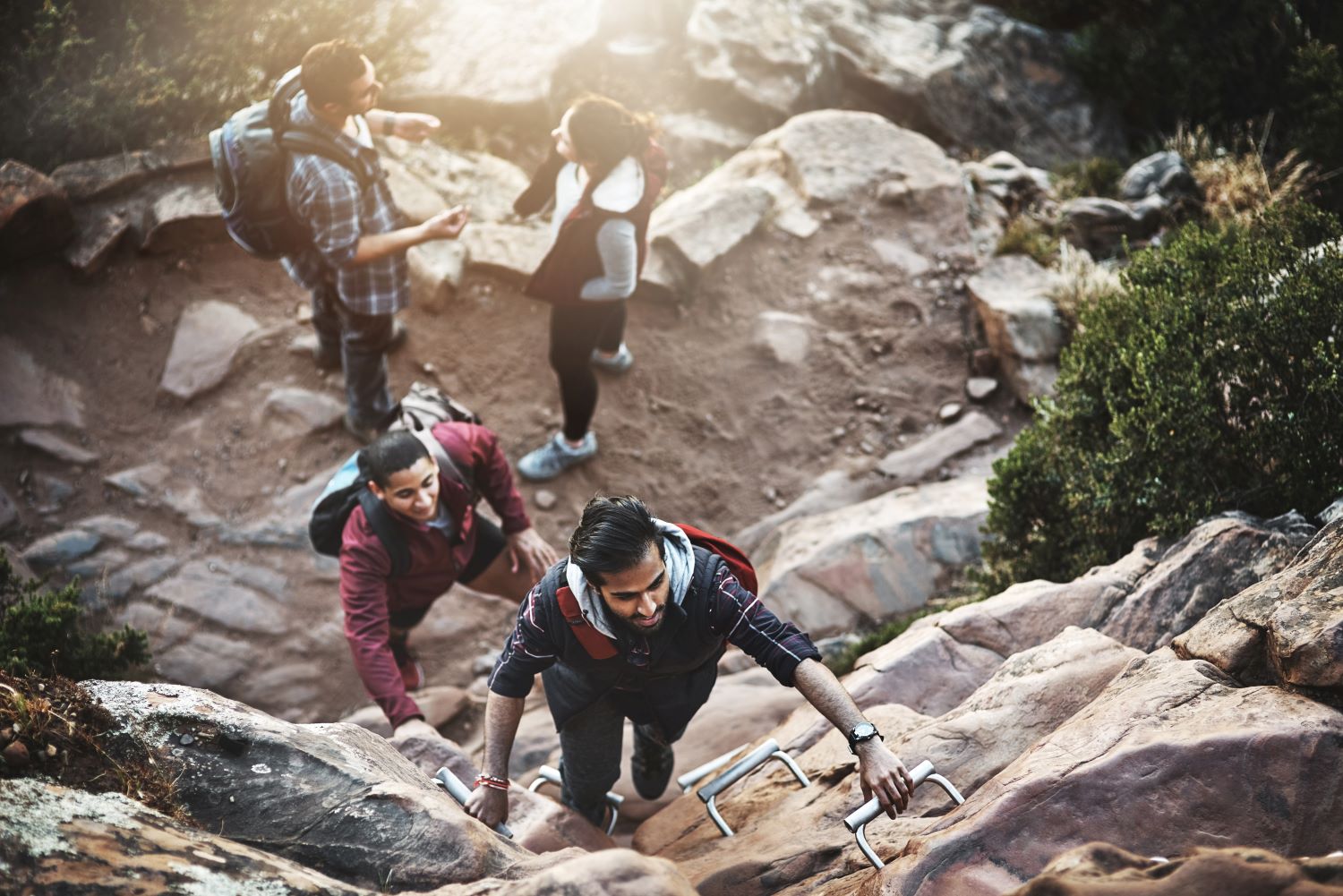
การปีนเขาเป็นกิจกรรมที่ท้าทายและน่าตื่นเต้น แต่ถึงกระนั้นก็ต้องมีการเตรียมตัวและความรู้ที่เพียงพอเพื่อความปลอดภัยและความสนุกสนาน เราได้นำข้อควรรู้ก่อนเริ่มจริงจังกับการปีนเขามาฝากกัน เรียนรู้พื้นฐานของการปีนเขา เข้าร่วมคอร์สฝึกอบรม เรียนรู้เทคนิคพื้นฐานในการปีนเขาจากผู้เชี่ยวชาญหรือเข้าร่วมคอร์สฝึกอบรมที่มีครูฝึก ศึกษาเทคนิคการปีนเขา ศึกษาเทคนิคการปีนเขาขั้นพื้นฐาน เช่น การใช้มือและเท้า การรักษาสมดุล และการเคลื่อนไหวที่ถูกต้อง เตรียมอุปกรณ์ที่เหมาะสม รองเท้าปีนเขา เลือกรองเท้าที่เหมาะสมกับประเภทของการปีนเขาที่คุณจะทำ มีความกระชับและรองรับเท้าได้ดี สายเชือกและฮาร์ดแวร์ ใช้สายเชือกที่มีคุณภาพและฮาร์ดแวร์ เช่น คาราไบเนอร์และสายรัดที่แข็งแรงและได้มาตรฐาน เสื้อผ้า แนะนำให้สวมใส่เสื้อผ้าที่สบายและสามารถเคลื่อนไหวได้สะดวก รวมถึงเสื้อกันลมและเสื้อกันฝน เตรียมตัวทางร่างกายและจิตใจ ออกกำลังกาย ฝึกฝนร่างกายให้แข็งแรงโดยการออกกำลังกายที่เน้นกล้ามเนื้อแขน ขา และแกนกลางร่างกาย ฝึกฝนจิตใจ การปีนเขาต้องการสมาธิและความมั่นใจ ฝึกฝนจิตใจให้พร้อมเผชิญกับความสูงและความท้าทายในทุก ๆ วัน รู้จักสถานที่และสภาพอากาศ สำรวจเส้นทางล่วงหน้า ศึกษาเส้นทางการปีนเขาที่คุณจะไป เช่น ความสูง ระดับความยาก และระยะเวลา ตรวจสอบสภาพอากาศ ตรวจสอบสภาพอากาศก่อนออกเดินทางและเตรียมตัวให้พร้อมสำหรับการเปลี่ยนแปลงของอากาศด้วย เพราะธรรมชาติจะส่งความท้าทายมาเยือนเสมอ ความปลอดภัยเป็นสิ่งสำคัญ ปีนเขาเป็นกลุ่ม การปีนเขาควรทำเป็นกลุ่มหรือมีคู่หูเพื่อความปลอดภัยและการช่วยเหลือกัน การตรวจสอบอุปกรณ์ ตรวจสอบอุปกรณ์ทุกครั้งก่อนใช้งาน เพื่อทำให้แน่ใจว่าไม่มีข้อบกพร่องหรือเสียหายใด ๆ การฝึกปฐมพยาบาล เรียนรู้วิธีการปฐมพยาบาลเบื้องต้นและมีชุดปฐมพยาบาลติดตัวเสมอ ปฏิบัติตามกฎและมารยาท เคารพธรรมชาติ รักษาสิ่งแวดล้อมและไม่ทิ้งขยะในเส้นทางปีนเขา […]
การผจญภัยจะช่วยทำให้เราเก่งขึ้น
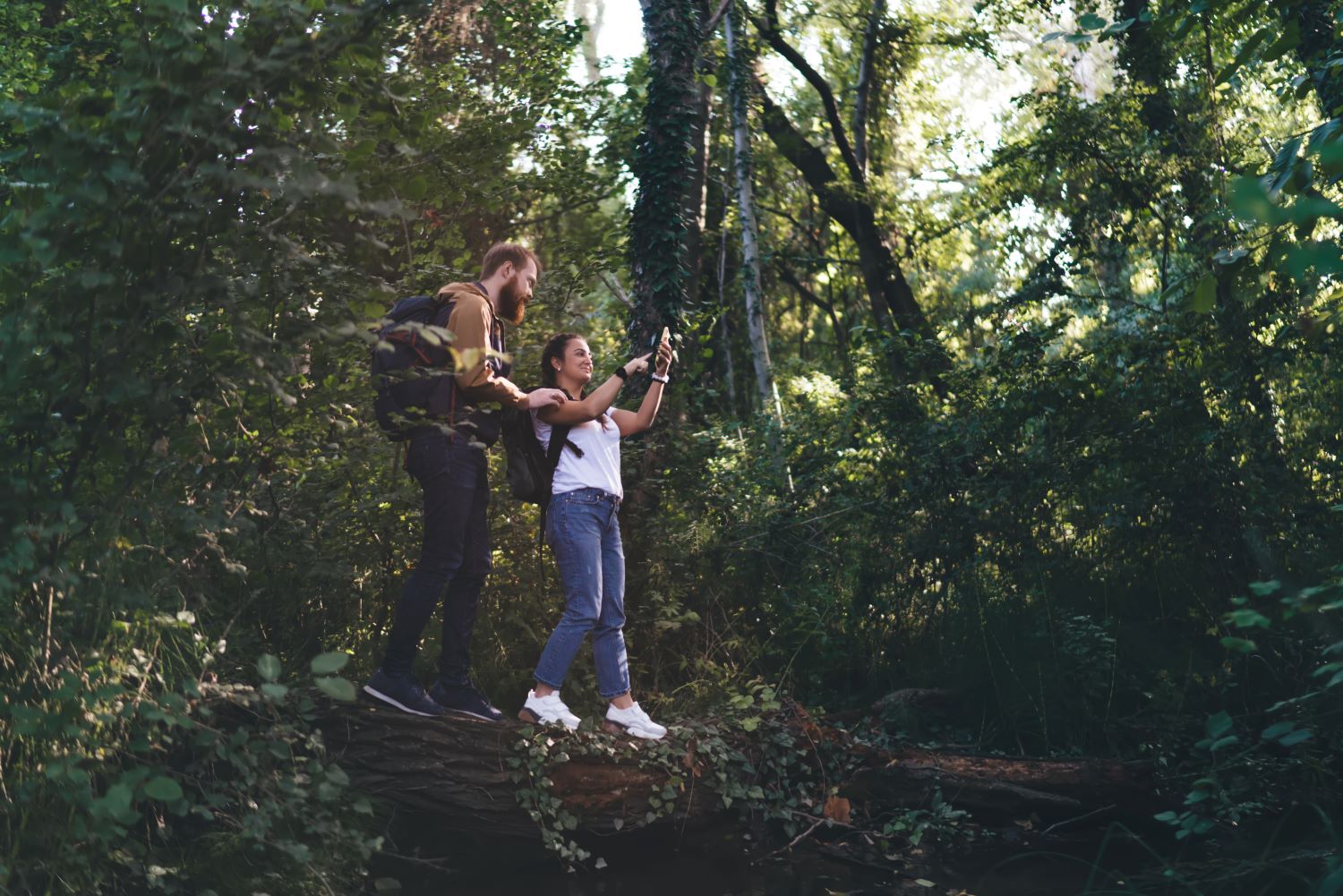
ในปัจจุบันนี้เรื่องของการผจญภัยนั้นต้องบอกเลยว่าเป็นเรื่องที่ดีเพราะว่าการผจญภัยนั้นจะช่วยทำให้เราได้เสริมสร้างความรู้ที่มากมายขึ้นเพราะว่าเราก็จะได้ทำกิจกรรมอะไรที่เราเองอาจจะไม่เคยทำมาก่อนด้วย เรื่องของการผจญภัยต้องบอกเลยว่าเป็นสิ่งที่ดีงามอย่างมากเพราะว่ายิ่งเราได้ผจญภัยมากเท่าไหร่ก็จะยิ่งทำให้เราได้เห็นอะไรใหม่ๆได้มากขึ้นด้วย เรื่องของการผจญภัยนั้นจะช่วยทำให้เราได้เห็นถึงความสวยงามของสิ่งที่เราได้ไปในสถานที่นั้นๆด้วย เรื่องนี้จึงเป็นเรื่องที่ดีและสำคัญกับเราเองอย่างมากเลยถ้าหากเรารู้จักที่จะให้ความสนใจแล้วจะยิ่งเป็นสิ่งที่ดี เพราะยิ่งเราได้เที่ยวแบบผจญภัยแล้วนั้นจะทำให้เรานั้นเกิดความตื่นเต้นและท้าทายให้กับเราได้เป็นอย่างดีเลย เราจึงควรที่จะต้องฝึกให้ตัวเรานั้นได้เป็นคนที่เก่งขึ้นเพราะถ้าหากเราได้ฝึกตนเองให้เก่งยิ่งขึ้นมาได้แล้วนั้นจะยิ่งดีเพราะเราจะได้ไปเที่ยวไหนก็สามารถที่จะเอาตัวรอดได้โดยไม่ต้องกลัวอย่างเช่นการเดินป่านั้นถ้าเราไปในช่วงที่มีคนท่องเที่ยวกันเยอะๆจะไม่น่ากลัวอย่างการขึ้นภูต่างๆเช่นภูกระดึงนั้นก็จะเปิดเป็นช่วงที่จะให้เราได้สัมผัสกับธรรมชาติอย่างแท้จริงเลย อันนี้จึงเป็นสิ่งที่เราจะต้องใช้ความอดทนให้มากๆเพราะว่าถ้าหากเราใช้ความอดทนแล้วเราก็จะได้เห็นถึงความสวยงามแล้วความสวยงามก็จะเกิดเป็นภาพความประทับใจได้อย่างมากมายด้วยนั้นเอง หากเราเป็นคนที่ชอบที่จะไปเที่ยวในแบบที่ผจญภัยแบบนี้ก็จะรู้เลยว่าเราจะได้รับความสนุกอย่างที่สุดด้วย แต่ถ้าหากคนที่ไม่เคยที่จะไปเที่ยวตามภูต่างๆนั้นแนะนำว่าต้องลองสักครั้งเพื่อที่เราจะได้มีความสุขกับการเที่ยวแบบนี้ ถึงแม้จะมีความลำบากหน่อยแต่เราก็จะเก็บภาพที่ประทับใจในตัวเราได้อย่างมากมายเลย อะไรที่เราไม่เคยทำเราก็ควรที่จะต้องลองเพราะยิ่งเราลองทำเราก็จะยิ่งได้รับอะไรอะไรที่มีความพิเศษๆกับตนเองอย่างมากเลย แล้วทุกๆอย่างนั้นก็จะเป็นเรื่องที่ประทับใจกับเราเองอย่างมากเลยในเรื่องของการเที่ยวแบบนี้ หากเรารู้จักที่จะให้การเรียนรู้แล้วให้เราได้เป็นคนที่รู้จักที่จะเอาตัวรอดได้เมื่อที่จะต้องออกแคมป์นั้นก็จะเป็นสิ่งที่ดีอย่างมากเลย เรื่องของการผจญภัยนั้นจึงเป็นเรื่องที่ดีกับเราเองอย่างที่สุดด้วย
Recent Comments